
Blog
Insights on regenerative medicine, real-world outcomes, and practice growth.
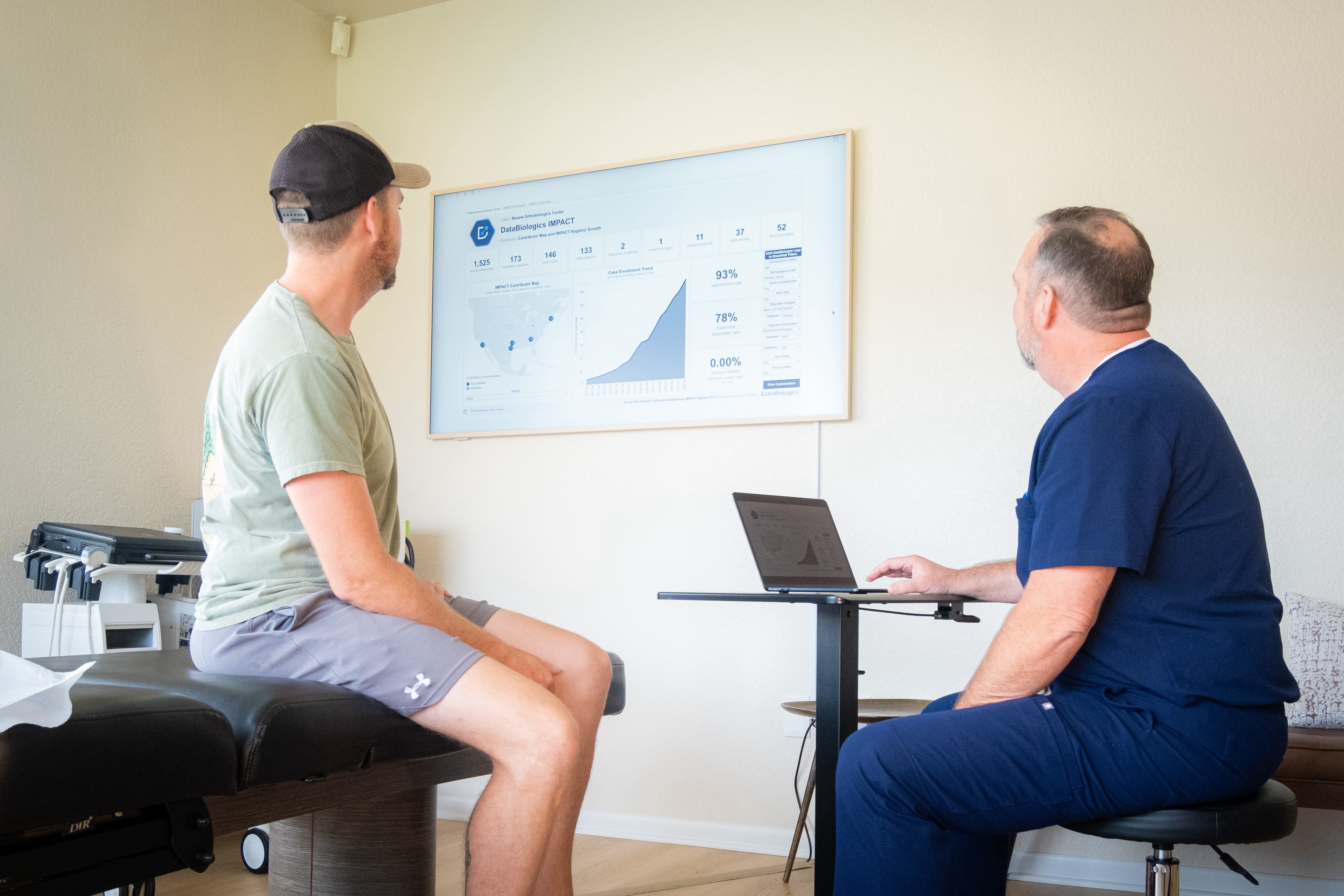
How Dr. Chris Miars Upgraded His Outcomes Tracking for Better Patient Care
Dr. Chris Miars ditched outdated tracking tools and now uses live dashboards to boost patient confidence and streamline decision-making.
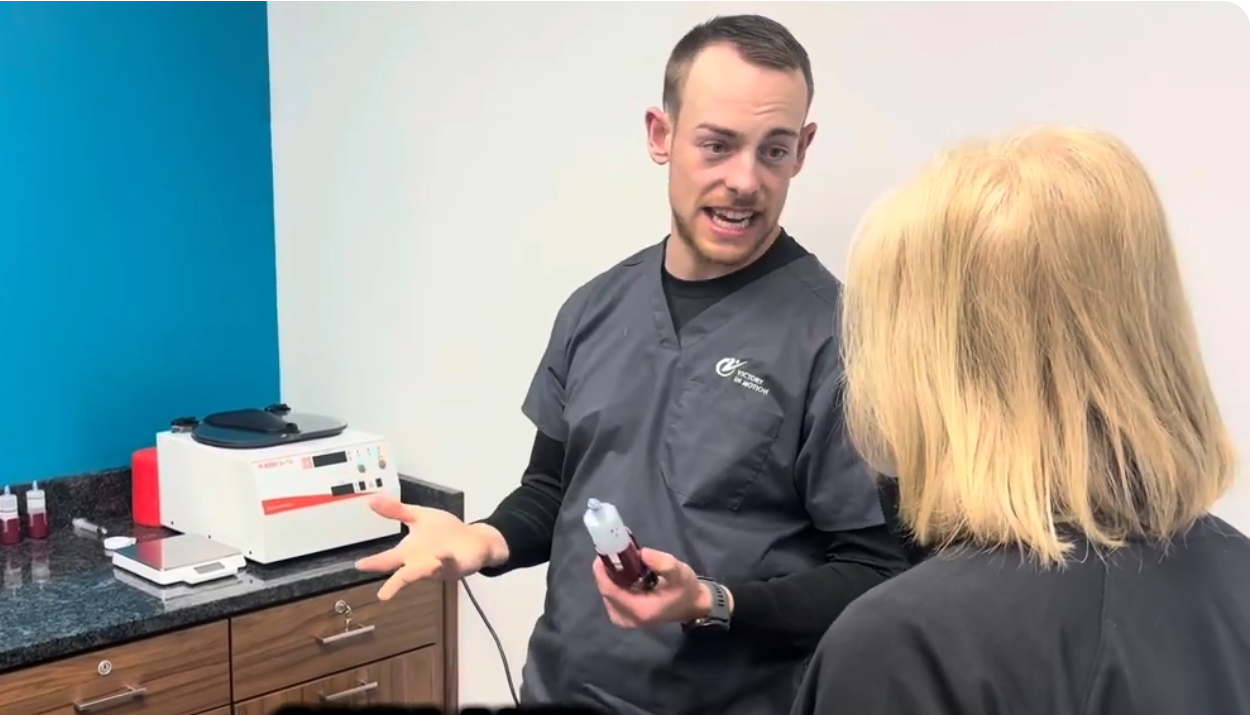
How Victory In Motion Is Leveraging Real-World Data to Prove Their Comprehensive Joint Recovery Program Works
Victory in Motion uses real-world data from DataBiologics to validate their non-surgical joint program. With 94% patient satisfaction at 6 months and stronger results than single treatments, the clinic shows that outcomes improve when protocols guide care.
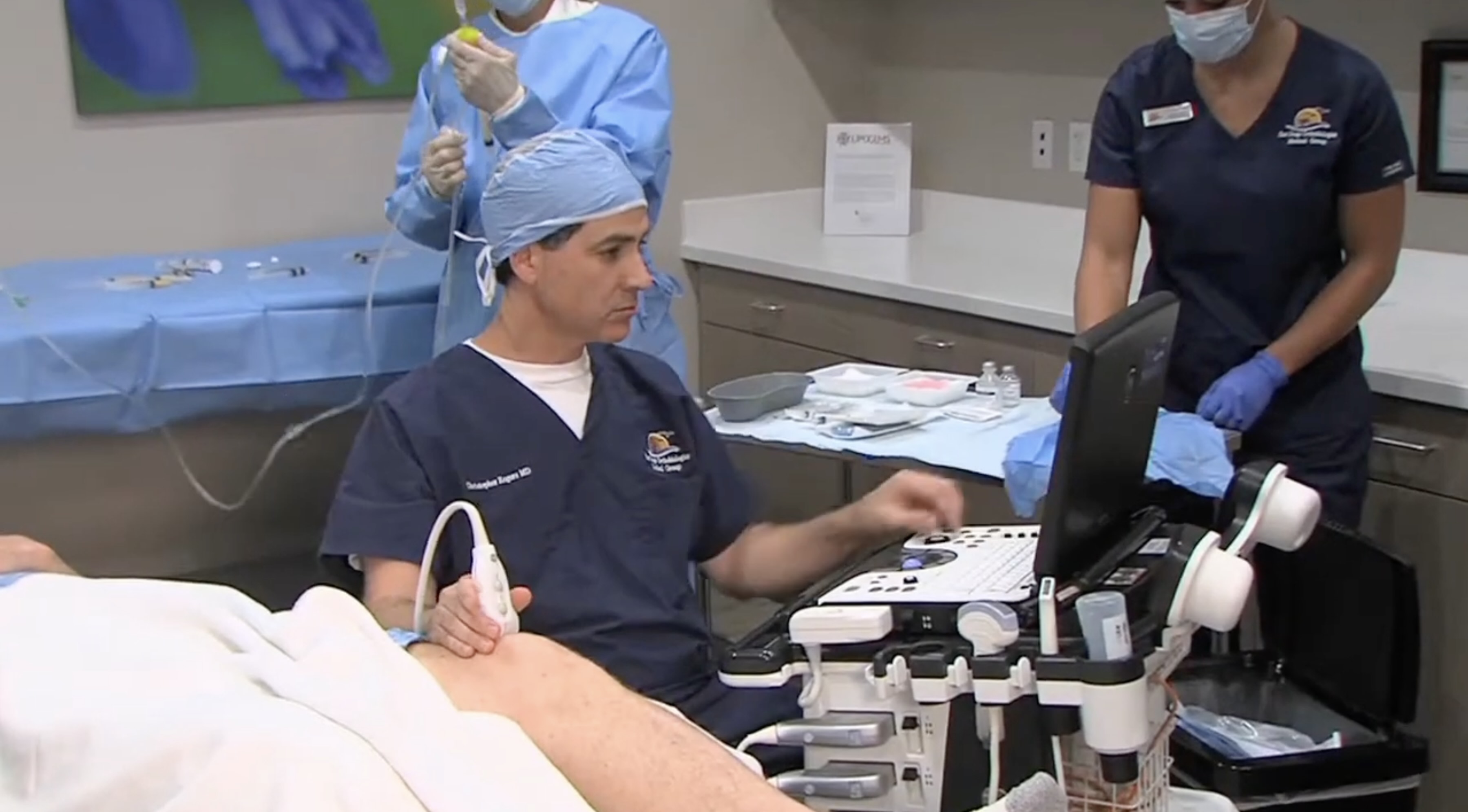
How the Cost and Time of Manual Data Collection Sparked the Creation of DataBiologics
Manual outcomes tracking drained staff time and money, leaving providers frustrated with endless calls, spreadsheets, and incomplete data. DataBiologics was created to automate the process—giving physicians real-time, benchmarked insights that improve care and empower patients with meaningful, real-world results.

DataBiologics Expands Scientific/Medical Advisory Board with Three Leading Experts in Regenerative Medicine and Orthopedics
DataBiologics proudly announces the addition of three distinguished physicians to its Scientific/Medical Advisory Board: Dr. Walter Sussman, Dr. Ariana DeMers, and Dr. Don Buford. These accomplished experts bring a wealth of knowledge in orthopedics, sports medicine, and regenerative therapies, further advancing DataBiologics’ mission to drive data-driven treatment insights and improve patient outcomes.
DataBiologics Selected as a Finalist in the 2024 Arizona Innovation Challenge
We're very excited to announce that DataBiologics has been selected as a finalist in the 2024 Arizona Innovation Challenge!

DataBiologics Selected as a Spoke for ARPA-H’s Investor Catalyst Hub
DataBiologics, a leader in healthcare data analytics and patient outcomes tracking, announced today that it was selected as a spoke for the Investor Catalyst Hub, a regional hub of ARPANET-H, a nationwide health innovation network launched by the Advanced Research Projects Agency for Health (ARPA-H).
Join the Movement!
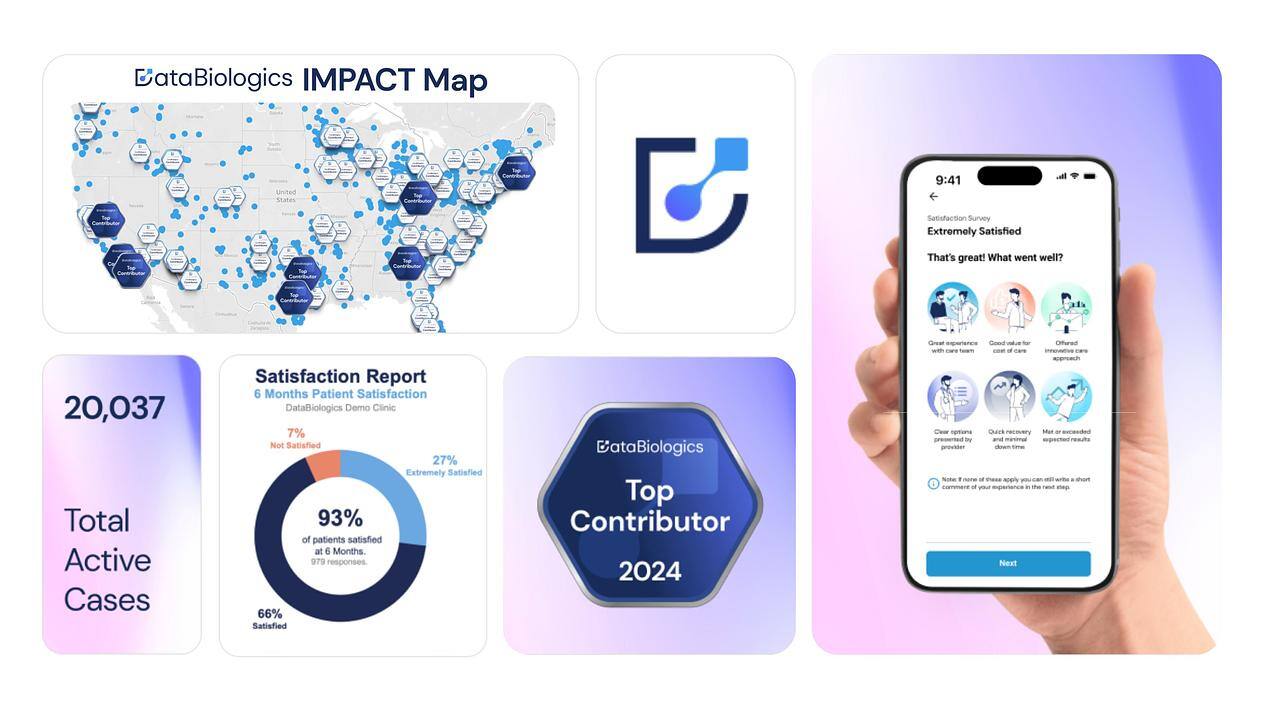
At DataBiologics, our mission is to democratize critical research and bring evidence-based solutions to every clinician—no matter the size or type of their practice. Our platform is transforming the way physicians collect and utilize real-world patient data. By empowering independent physicians with seamless tools for tracking and analyzing outcomes, we aim to help elevate care.
Key Takeaways From IOF MAX 2025
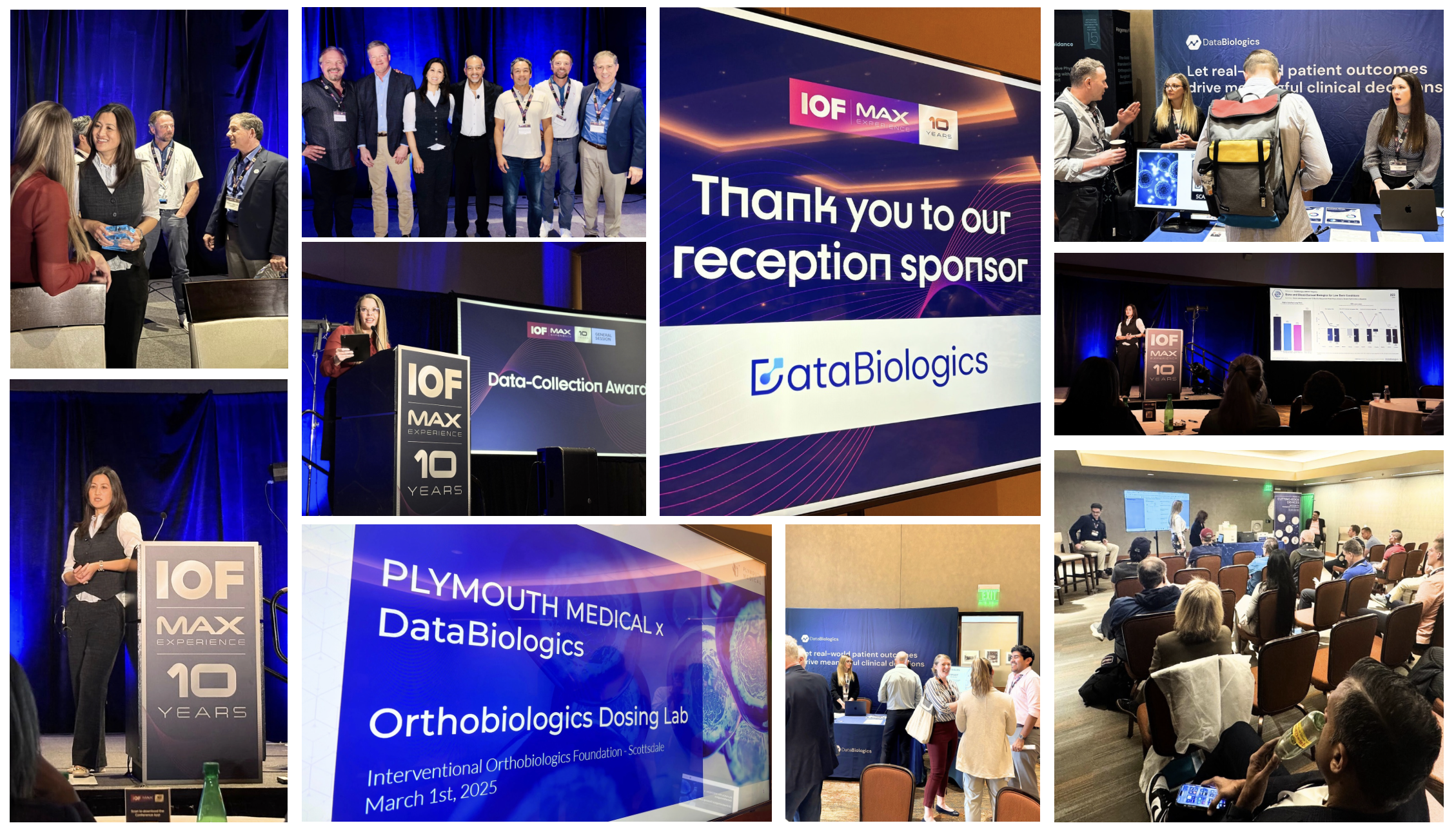
DataBiologics Key Takeaways from the IOF MAX experience 2025.
Real-World Data Takes Center Stage at TOBI 2025
At TOBI 2025, DataBiologics took center stage as physicians and device makers showcased how real-world registry data is transforming regenerative medicine. From evidence-backed presentations to industry collaborations powered by patient-reported outcomes, the event underscored a future driven by transparency, data, and collaboration.

MD Hyperbaric Partners with DataBiologics to Track Patient Outcomes in Pilot Study
MD Hyperbaric, a leading provider of hyperbaric oxygen therapy (HBOT), announces a new partnership with DataBiologics to launch a pilot evaluating the impact of HBOT on chronic conditions such as inflammation and autoimmune diseases. This collaboration leverages DataBiologics’ advanced software platform to collect and analyze real-world patient outcomes, helping validate HBOT’s benefits in clinical care.
Dr. Steven Sampson Showcases Real-World Evidence on Shockwave Therapy at the NBA Combine
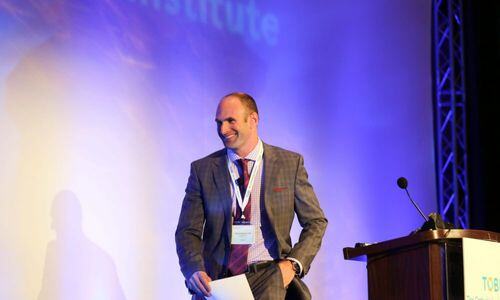
Dr. Steven Sampson is a highly regarded sports medicine physician based in Los Angeles, known globally for his expertise in non-surgical orthopedics and regenerative medicine.
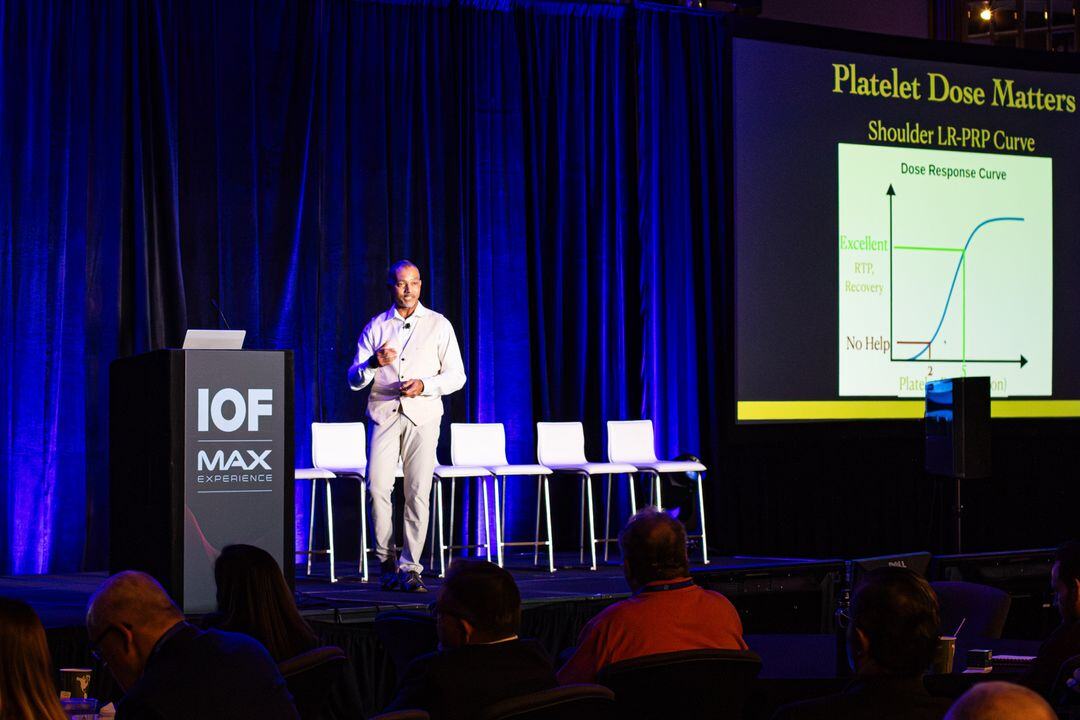
How Don Buford, MD, Orthopedic Surgeon, Optimizes PRP Outcomes with Cellular Characterization
Texas Orthobiologics, lead by Don Buford, MD, Orthopedic Surgeon, has become a leading center for biological alternatives to treat orthopedic pathology in patients who are resistant to surgical options. Recognizing “the need for better PRP data everywhere,” they became one of the first centers to start measuring the cellular characterizations of Platelet-Rich Plasma (PRP) in order to better understand clinically important composition factors. According to Dr. Buford, “It’s important to understand how we make, evaluate, and administer PRP clinically.”
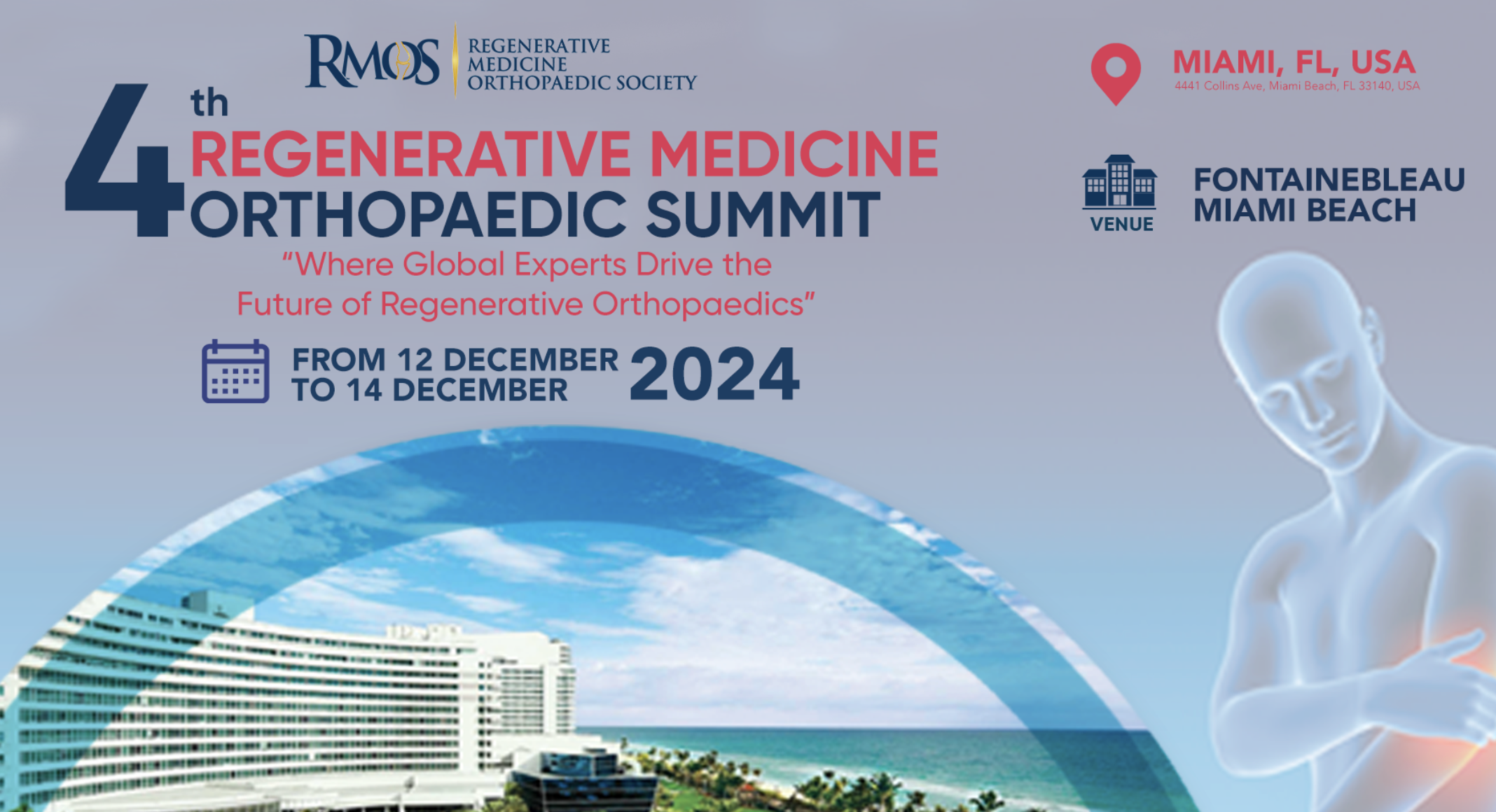
Our Top Takeaways from the 4th Regenerative Medicine Orthopaedic Summit
The Regenerative Medicine Orthopaedic Summit (RMOS) brought together leading experts in orthobiologics and musculoskeletal care from across the globe for an exchange of cutting-edge research and clinical insights. Here are our top takeaways from this years’ meeting:

The Power of Patient-Reported Outcomes: Why Healthcare Providers Should Track Real-World Data
The Merit-Based Incentive Payment System (MIPS) is a CMS program that adjusts payments to physicians based on performance in quality, improvement activities, interoperability, and cost. However, MIPS measures often don't align well with specialty-specific workflows. To address this, CMS is introducing MIPS Value Pathways (MVPs) to streamline reporting and better match specialty needs. As CMS plans to phase out traditional MIPS, early adoption of MVPs can help practices prepare for future scoring changes, reduce staff burdens, and enhance patient care. Learn more in our eBook.
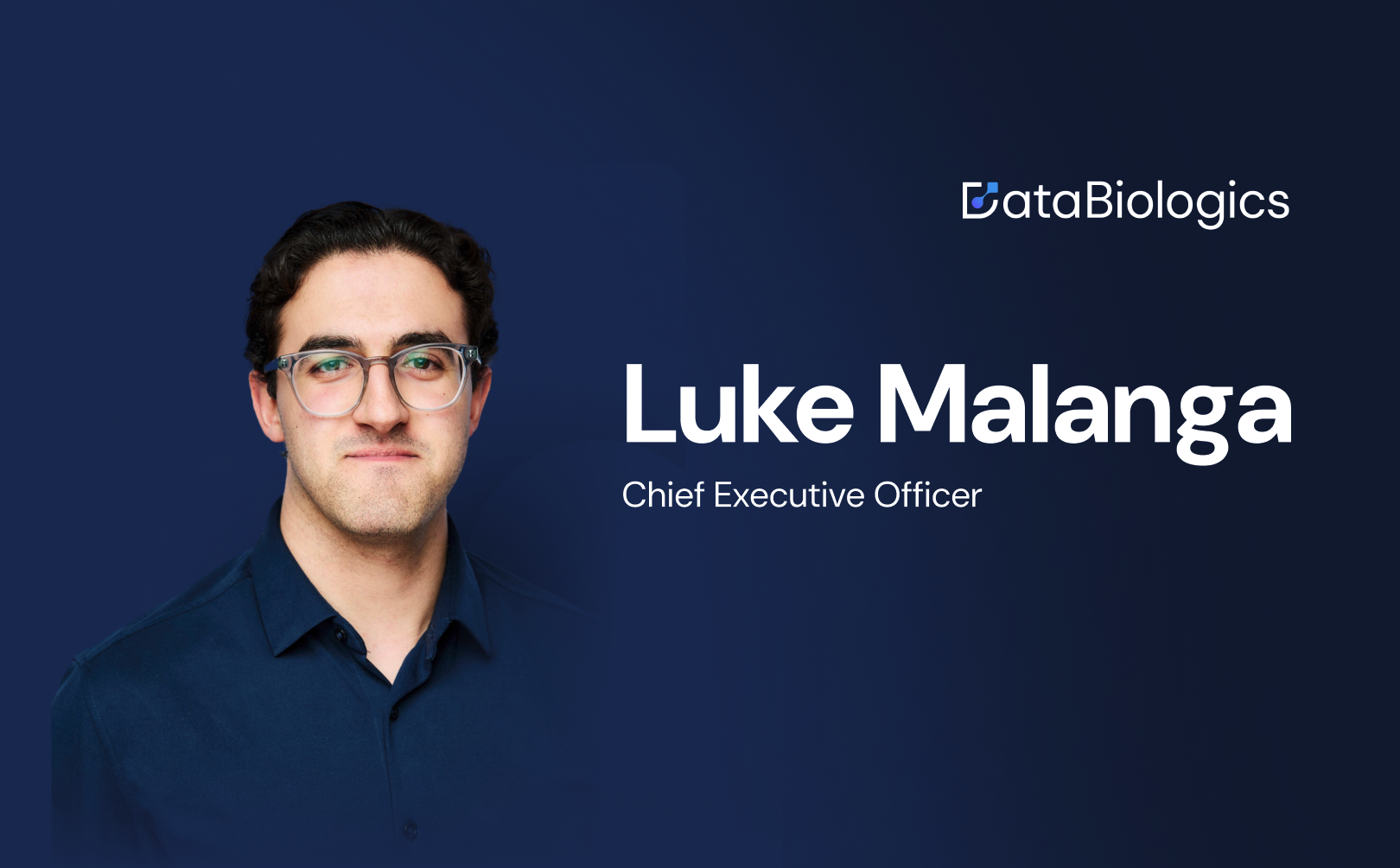
DataBiologics Appoints Luke Malanga as Chief Executive Officer
DataBiologics announces the appointment of Luke Malanga as Chief Executive Officer, as the company enters new phase of growth focused on transforming real-world outcomes into predictive, actionable healthcare insights.

DataBiologics Names Martin Cody Executive Vice President of Sales to Drive Next Phase of Transformative Growth
Appointment strengthens commercial leadership to expand adoption of healthcare outcomes platform among leading physician organizations and device manufacturers

SoftWave to Utilize DataBiologics to Track Patient Outcomes
SoftWave Tissue Regeneration Technologies, a medical device company specializing in extracorporeal shockwave therapy, will utilize DataBiologics to track outcomes on their device. DataBiologics will empower a select group of physicians utilizing the SoftWave device to participate in a real-world evidence study on the clinical outcomes of these innovative treatments.

Dr. Geraci Uses DataBiologics to Validate Targeted Rehab Protocols That Complement Regenerative Therapies
With a small, part-time staff, Dr. Geraci used DataBiologics to automate follow-ups and gain two-year outcome insights—confirming his targeted rehab programs amplify the benefits of regenerative therapies.
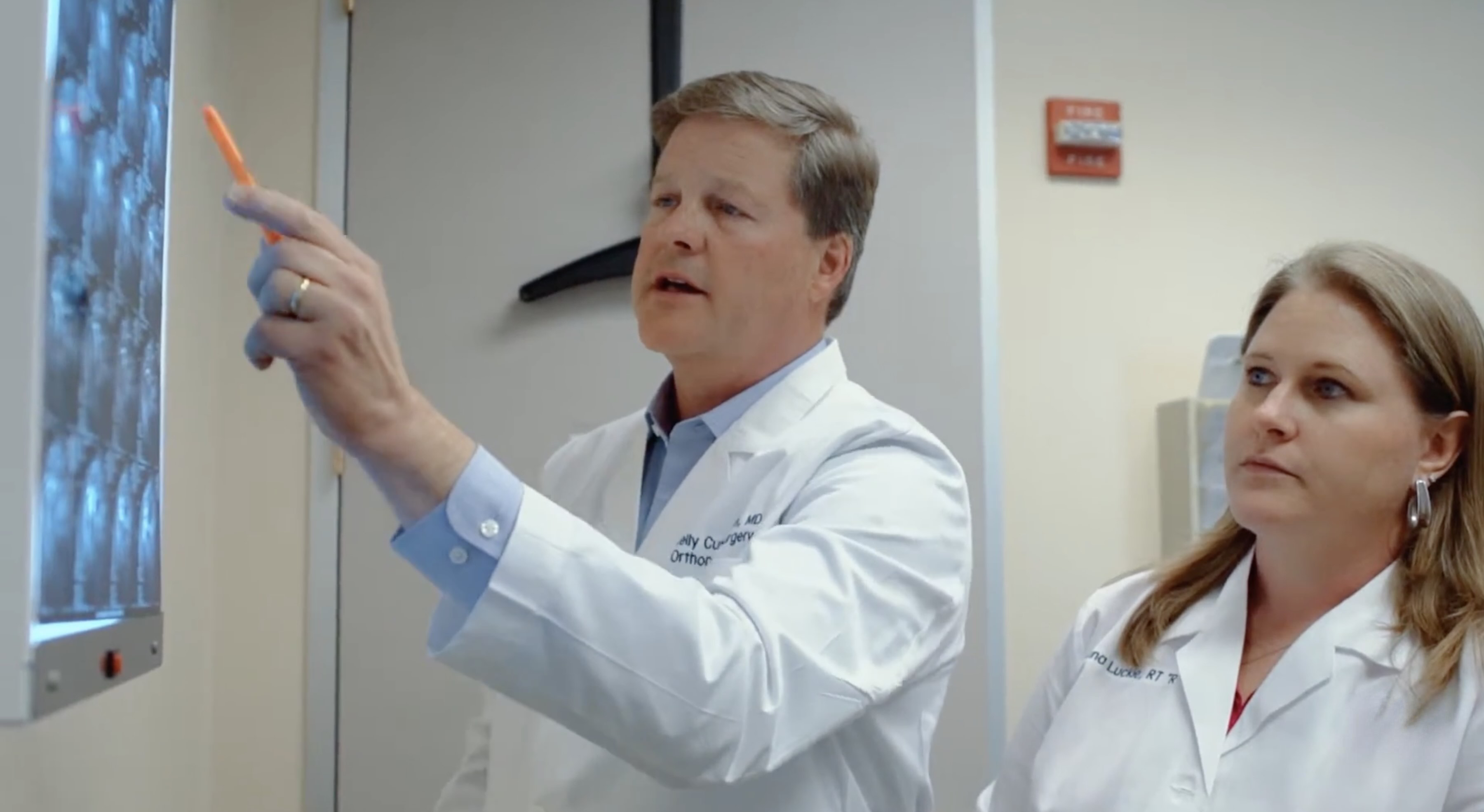
How Dr. Kelly Cunningham is Using Real-World Data to Prove the Potential of Orthobiologics
Dr. Kelly Cunningham uses DataBiologics to validate his orthobiologic protocols with real-world outcomes. By benchmarking against national data, he shows faster pain relief, longer-lasting results, and fewer repeat treatments—helping position biologics as a reliable alternative to surgery and conventional injections.
Announcing the Launch of the SoftWave Team on DataBiologics
SoftWave x DataBiologics Team Announcement
.png)
How NYU Langone Residents Used DataBiologics to Turn Clinical Questions into a National Poster Presentation
Resident physicians at NYU Langone used real-world PRP outcomes from the DataBiologics registry to study how treatment timing impacts knee osteoarthritis. With rapid access to structured data, they built a retrospective study and presented their findings at a national sports medicine conference highlighting a new path for research in training.
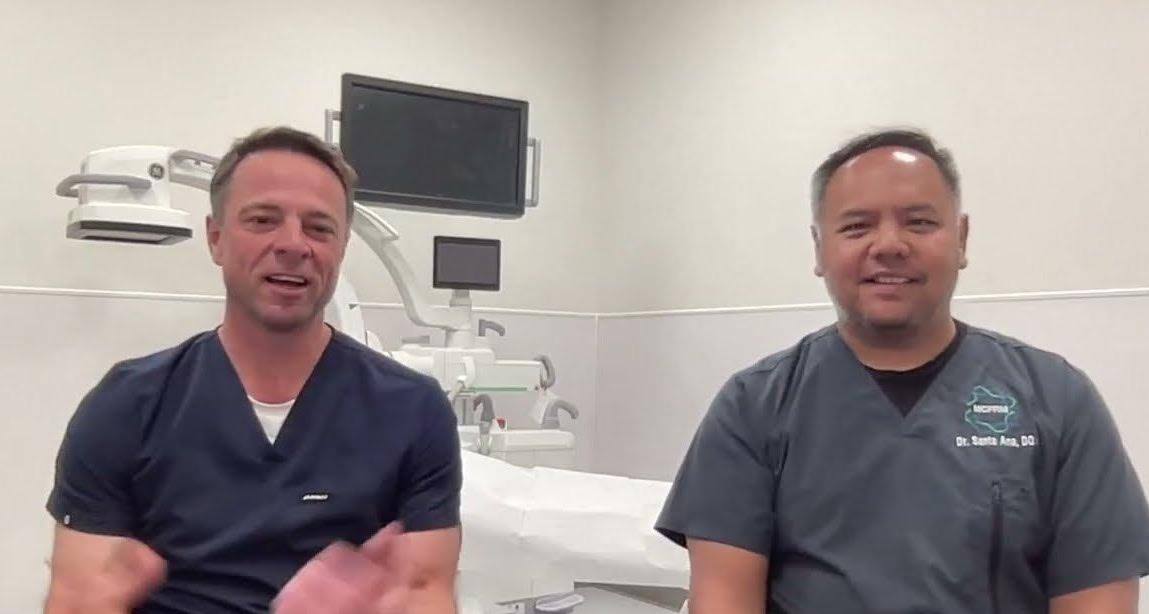
How Michigan Center for Regenerative Medicine Doubles Patient Volume by Tracking Outcomes
In a space filled with misnomer and confusion, the doctors at Michigan Center for Regenerative Medicine (McfRM) faced a critical challenge: how to put real science behind their regenerative medicine treatment outcomes. They aspired to create a defined treatment standard, backed by data and science, so they could optimize their outcomes according to proper patient selection, cellular composition, and dosage administration while comparing their outcomes against a global registry.